May 2025
This week, I was lucky enough to communicate with Professor Sarah Ugalde of the University of Tasmania. Dr. Ugalde had just published one of the pioneering studies quantifying the potential of oyster shells to capture carbon. Here are excerpts from our conversation:
Oliver: How does oyster shell recycling work in Australia?
Dr. Ugalde: In Australia, we’ve had a few shell recycling programs… Our challenge has been our supply chain—we tend to grow oysters in one place, shuck them (so half the shell heads one way, the other half another), or restaurants aren’t shucking huge quantities. We’ve struggled with the feasibility and cost of logistics and picking up shell at scale (and our strong biosecurity policies). Your supply chains in the US are quite different, making large-scale recycling more possible.
Ugalde also cautions against overselling carbon claims:
The goal [of our research] was to quantify the trapped carbon in the shell… But oyster [meats] are producers of carbon (they’re not negative) and it’s forgotten in so much of the literature.
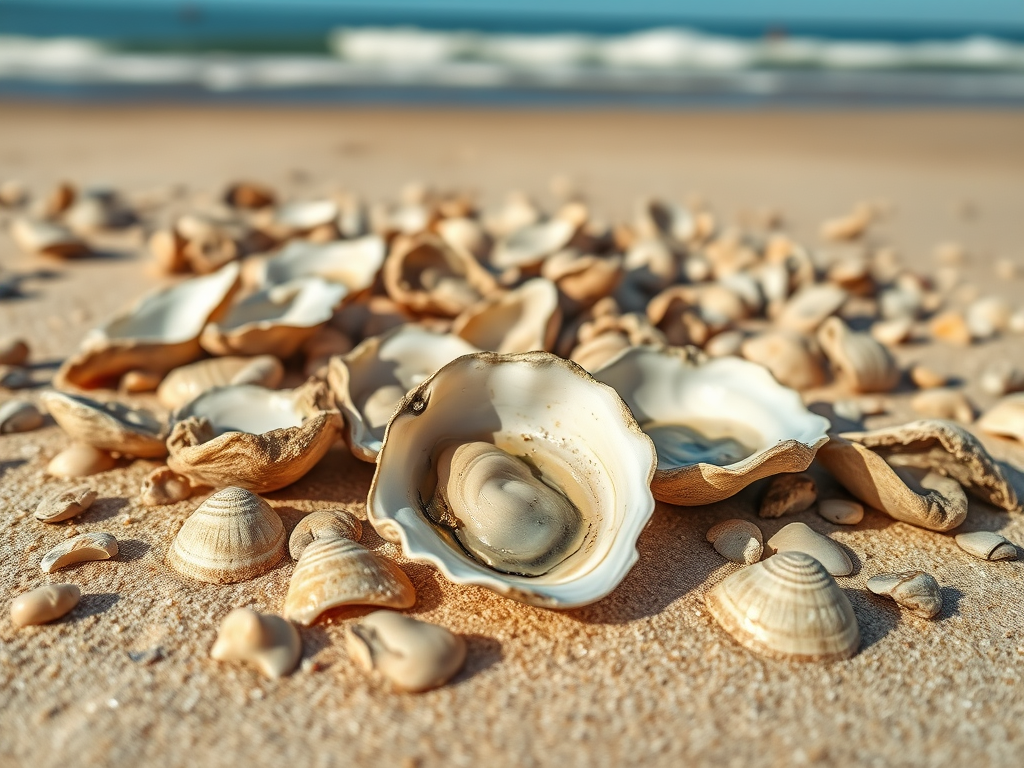
The takeaway from our conversation: you need to count both the shell and physiology (the living tissue) if you’re talking about carbon. While oyster shells do sequester carbon, the meat produces some CO2. Shell recycling is a positive for both habitat creation and landfill reduction, but the carbon sequestration potential is more complex.
 Our Blue Backyard
Leave a comment